Venue & Infrastructure Evaluation: A Critical Step in Event Production Planning
Selecting a venue is one of the most visible decisions an event planner makes—but evaluating the venue’s technical infrastructure is one of the most consequential. Venue and infrastructure evaluation determines what is possible, what is risky, and what will ultimately drive cost, complexity, and attendee experience.
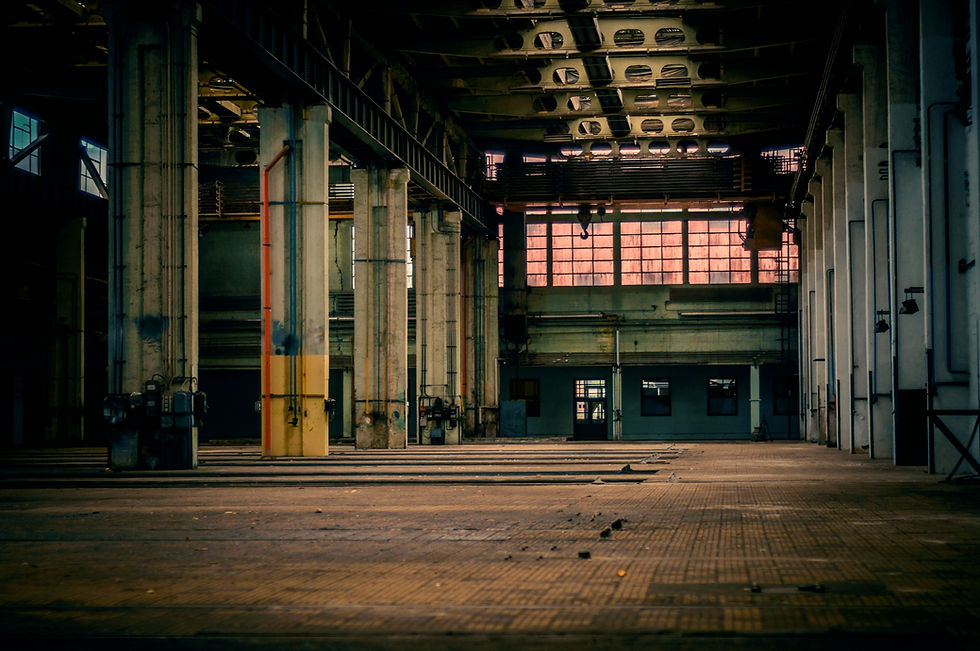
Selecting a venue is one of the most visible decisions an event planner makes—but evaluating the venue’s technical infrastructure is one of the most consequential. Venue and infrastructure evaluation determines what is possible, what is risky, and what will ultimately drive cost, complexity, and attendee experience.
As part of The Event Planner’s AV Toolkit, this guide explains how to assess a venue from an audio-visual, power, rigging, networking, and logistics standpoint—without requiring planners to become technical experts.
Why Venue & Infrastructure Evaluation Matters
Even the most creative event concepts can fail if the venue cannot physically or technically support them. Common challenges—such as insufficient power, low ceiling heights, limited rigging points, poor acoustics, or inadequate load-in access—often surface late in the process, forcing last-minute compromises or unplanned expenses.
A structured venue evaluation allows planners to:
Identify technical constraints early
Align creative vision with physical reality
Accurately scope AV systems and labor
Reduce change orders and on-site surprises
Improve collaboration with venues and technical partners
Core Areas of Venue Infrastructure Evaluation
1. Power Availability & Electrical Distribution
Power is the foundation of all AV systems, yet it is frequently assumed rather than verified.
Key considerations include:
Total available amperage and voltage (120V, 208V, 480V)
Location of house power drops relative to stage and FOH
Whether power is shared with lighting, catering, or HVAC
Availability of clean, dedicated power for audio and video systems
Need for temporary power distribution or generators
Early power evaluation prevents overloaded circuits, equipment failures, and emergency power rentals.
2. Rigging & Structural Capacity
Rigging capability determines what can safely be flown—lighting truss, LED walls, scenic elements, audio arrays, and signage.
Evaluate:
Ceiling height and maximum trim limits
Approved rigging points and documented load ratings
Venue rigging policies and labor requirements
Whether ground-supported alternatives are necessary
Approval timelines for engineered drawings and calculations
Rigging limitations directly affect creative design, system layout, and overall budget.
3. Audio Acoustics & Room Characteristics
Room acoustics significantly influence speech intelligibility and overall audience experience.
Key factors include:
Ceiling height and room volume
Reflective surfaces such as glass or concrete
Ambient noise from HVAC systems or adjacent spaces
Room shape and seating configuration
Presence and limitations of any built-in sound systems
Challenging acoustics often require additional loudspeaker coverage, processing, or system tuning.
4. Video Infrastructure & Sightlines
Video system performance depends heavily on room geometry and infrastructure.
Assess:
Viewing distances and potential sightline obstructions
Ceiling height relative to screen or LED wall size
Ambient light levels and blackout capability
Projection throw distances and mounting options
Structural support for LED walls or scenic integrations
Early evaluation helps determine whether projection, LED, or hybrid video solutions are most appropriate.
5. Data, Networking & Connectivity
Modern events rely on data networks for show control, hybrid streaming, audience engagement, and presenter support.
Evaluate:
Venue-provided internet versus dedicated production networks
Available bandwidth and service level guarantees
Hardline versus wireless access points
Network security and traffic segregation
Cellular coverage and redundancy options
For hybrid or broadcast-quality events, venue internet alone is often insufficient without supplemental infrastructure.
6. Load-In, Load-Out & Back-of-House Logistics
Logistics have a direct impact on labor efficiency, scheduling, and cost.
Critical elements include:
Dock access, ramping, and truck clearances
Freight elevator size, capacity, and availability
Distance from dock to event space
Storage areas for cases and packaging
Labor rules, call minimums, and work windows
Venues with limited access or restrictive labor policies can significantly increase production complexity.
Common Venue Evaluation Mistakes to Avoid
Assuming all ballrooms or theaters offer similar technical capabilities
Relying solely on venue sales specs instead of technical documentation
Waiting until after contracts are signed to assess infrastructure
Underestimating power, rigging, or network requirements
Overlooking union regulations or exclusive provider policies
These oversights often result in reduced creative options and increased costs late in the planning process.
Venue Evaluation as a Strategic Planning Tool
When approached systematically, venue and infrastructure evaluation becomes a planning advantage rather than a hurdle. Event planners who understand how venues affect production are better equipped to:
Protect budgets and schedules
Support ambitious creative concepts
Deliver consistent technical quality
Collaborate effectively with production teams
How GlobeStream Media Can Support Venue & Infrastructure Evaluation
GlobeStream Media works alongside event planners and creative teams to translate venue infrastructure into actionable production plans. Their consultative approach to venue evaluation includes technical site walks, infrastructure assessments, and early-stage collaboration that helps identify constraints before they become problems.
By evaluating power, rigging, acoustics, video feasibility, networking, and logistics during pre-production, GlobeStream Media helps planners align creative goals with real-world conditions—resulting in more accurate budgets, fewer last-minute changes, and smoother on-site execution.
Texas-Specific Considerations
Venue evaluation for event av production in Texas often requires additional planning due to the scale and diversity of event environments across the state. Large convention centers, stadiums, and outdoor venues introduce unique challenges related to power availability, rigging capacity, heat and weather exposure, union and labor structures, and long load-in or show schedules. Texas’s geographic size can also impact travel logistics, crew deployment, and equipment movement between markets.
Incorporating these regional factors early allows production plans to remain realistic, resilient, and cost-effective—particularly for multi-day or multi-city events.
For planners seeking clarity early in the process, involving an experienced production partner during venue evaluation can significantly reduce risk and improve outcomes.
Case Studies

Vistra Retail 2025 Sales Kick-Off

Planisware Exchange25 North America
